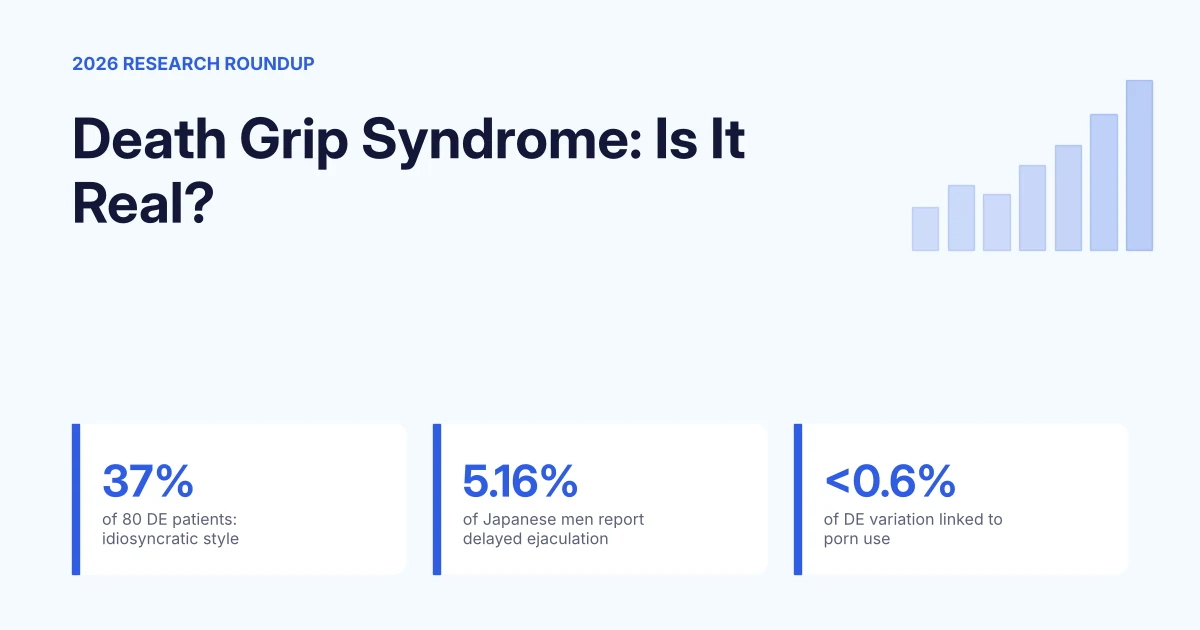
Death grip syndrome isn’t a medical diagnosis, but the habit behind it shows up in clinics. 37% of 80 men treated for delayed ejaculation in sex therapist Michael Perelman’s five-year chart review had a history of idiosyncratic masturbation, according to Vice (2015).
Delayed ejaculation itself is uncommon. It affects around 3% of sexually active men, according to the European Association of Urology, and 5.16% of sexually active Japanese men in a 2023 nationwide internet survey.
In this article, we’ll break down where the term comes from, how common delayed ejaculation is, what studies show about masturbation frequency, technique and porn, which medical causes matter more, and what treatment data exist.
Top Death Grip Syndrome Statistics
- Death grip syndrome is a slang term usually credited to Dan Savage’s Savage Love column (in print by 2003), and it is not a recognized medical diagnosis.
- 37% of 80 men treated for delayed ejaculation in one sex therapist’s chart review had a history of idiosyncratic masturbation.
- Delayed ejaculation affects around 3% of sexually active men, and 5.16% of sexually active Japanese men in a 2023 survey.
- Japanese men with delayed ejaculation masturbated a median of twice a week, compared with once a week for men without it.
- Porn use accounted for less than 0.6% of the variation in delayed ejaculation, once other factors were considered, in a survey of 2,332 men.
- Anxiety or distress was the most common reason men gave for difficulty reaching orgasm (41%), well ahead of inadequate stimulation (23%).
- Up to 28% of men taking paroxetine in clinical trials reported ejaculation problems, compared with 1% on placebo in the same trials.
Is Death Grip Syndrome Real?
Not as a diagnosis. Death grip syndrome is a slang term with little research behind it, and it isn’t recognized by the medical community, according to the International Society for Sexual Medicine (ISSM, 2025).
The term is usually credited to sex columnist Dan Savage. A Savage Love column dated July 17, 2003, already quotes his earlier advice using “death grip,” so the phrase is at least 23 years old, and Savage told Vice he gets the question from at least one man a week.
The closest medical diagnosis is delayed ejaculation. The DSM-5 requires a marked delay in, or absence of, ejaculation on 75% to 100% of partnered occasions for at least 6 months, according to the ISSM.
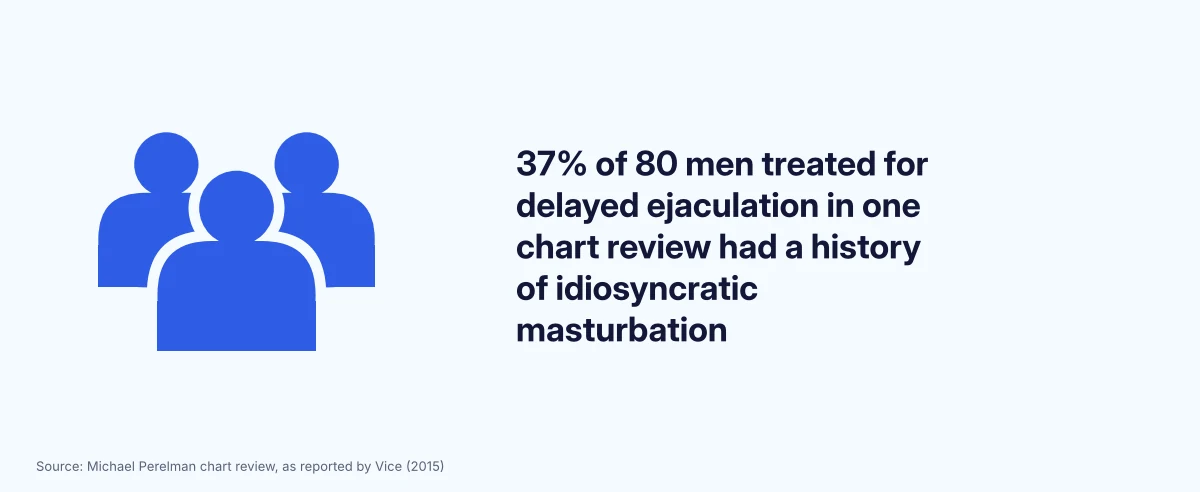
The idea behind the slang does have clinical support. In a five-year chart review of 80 men with delayed ejaculation, 37% had a history of idiosyncratic masturbation, a style a partner can’t easily reproduce, Perelman told Vice. That’s about 30 men.
Grip is only part of it. Perelman estimated that about 40% of the men he sees for delayed ejaculation masturbate idiosyncratically, and that no more than 50% of those cases involve grip. He sees the core problem as a narrow range of stimulation.
The slang term is also searched more than the medical one. “Death grip syndrome” draws 7,200 US searches a month, compared with 6,500 for “delayed ejaculation,” according to Ahrefs (October 2026). Together, “death grip syndrome” and “death grip” add up to 12,200, almost twice the medical term.
Here’s a breakdown of monthly searches for death grip and delayed ejaculation:
| Search Term | US Searches per Month | Global Searches per Month |
|---|---|---|
| death grip syndrome | 7,200 | 21,000 |
| delayed ejaculation | 6,500 | 11,000 |
| death grip | 5,000 | 17,000 |
| how to fix death grip | 500 | 900 |
How Common Is Delayed Ejaculation?
Delayed ejaculation affects around 3% of sexually active men, according to European Association of Urology (EAU) guidelines. Lifelong delayed ejaculation is estimated at about 1% of men and acquired delayed ejaculation at about 4%, according to Di Sante et al. (2016).
The newest large study puts it a little higher. 5.16% of 5,331 sexually active Japanese men aged 20 to 79 reported delayed ejaculation in a 2023 internet survey, including 1.73% lifelong and 3.43% acquired, according to Shirai et al. (2025).
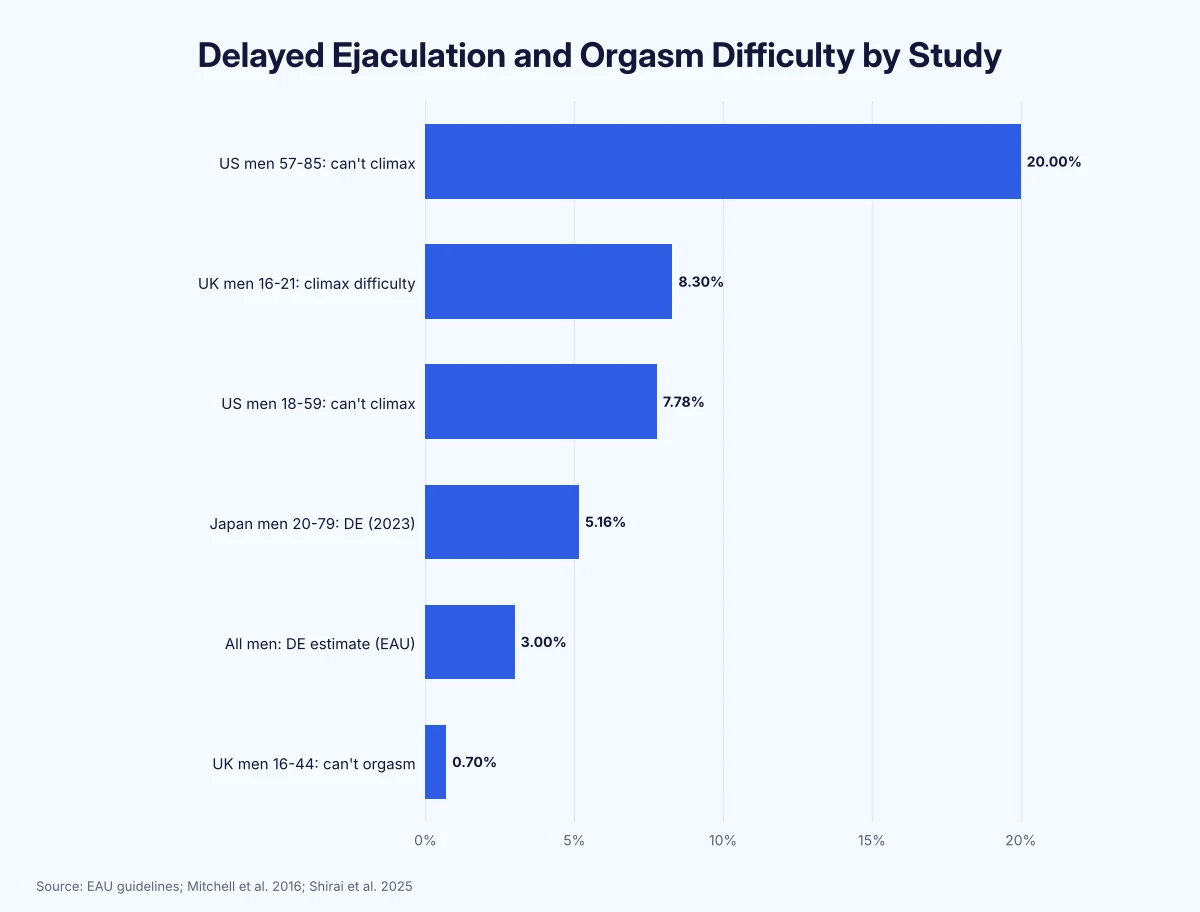
Here’s a breakdown of delayed ejaculation and orgasm difficulty by study:
| Measure | Population | Share |
|---|---|---|
| Inability to climax | US men aged 57–85 | 20% |
| Difficulty reaching climax for 3+ months in the past year | British men aged 16–21 (2010–2012) | 8.3% |
| Inability to achieve climax or ejaculation | US men aged 18–59 (1992) | 7.78% |
| Intravaginal ejaculation disorder in more than half of attempts | Japanese men in their 20s to 50s | 6.8%–8.4% |
| Delayed ejaculation | Japanese men aged 20–79 (2023) | 5.16% |
| Delayed ejaculation (estimate) | Sexually active men | About 3% |
| Frequent inability to reach orgasm | Men aged 40–80, international survey | 1.1%–2.8% |
| Inability to reach orgasm | British men aged 16–44 | 0.7% |
| Anejaculation (no ejaculation at all) | General population (Kinsey) | 0.14% |
The figures differ because the measures differ. A survey question about “difficulty reaching climax” catches occasional problems, while clinical delayed ejaculation requires a near-constant pattern plus distress.
Age plays a role in older men. 20% of US men aged 57 to 85 reported an inability to climax, and 73% of them were bothered by it, according to the EAU. In a Dutch community study, ejaculatory dysfunction (less semen or no ejaculation) rose from 3% at ages 50 to 54 to 35% at ages 70 to 78, as cited by Di Sante et al.
Young men aren’t immune, though. In Britain, 8.3% of sexually active men aged 16 to 21 had difficulty reaching climax for 3 months or longer in the past year, according to Mitchell et al. (2016). In the Japanese study, men with delayed ejaculation had a median age of 46, compared with 51 for men without it.
For context, intercourse lasts a median of 5.4 minutes in stopwatch studies, as we cover in how long sex lasts. A self-estimated time of 16 minutes or more best separated men with and without orgasm difficulty in a 2023 survey of 1,660 men, according to Horvath et al.
Does Masturbation Cause Delayed Ejaculation?
Frequent masturbation is linked to delayed ejaculation, but the link is modest. Japanese men with delayed ejaculation masturbated a median of twice a week, compared with once a week for men without it, and high masturbation frequency was associated with about 24% higher odds of delayed ejaculation (odds ratio 1.236) after adjusting for other factors, according to Shirai et al. (2025).
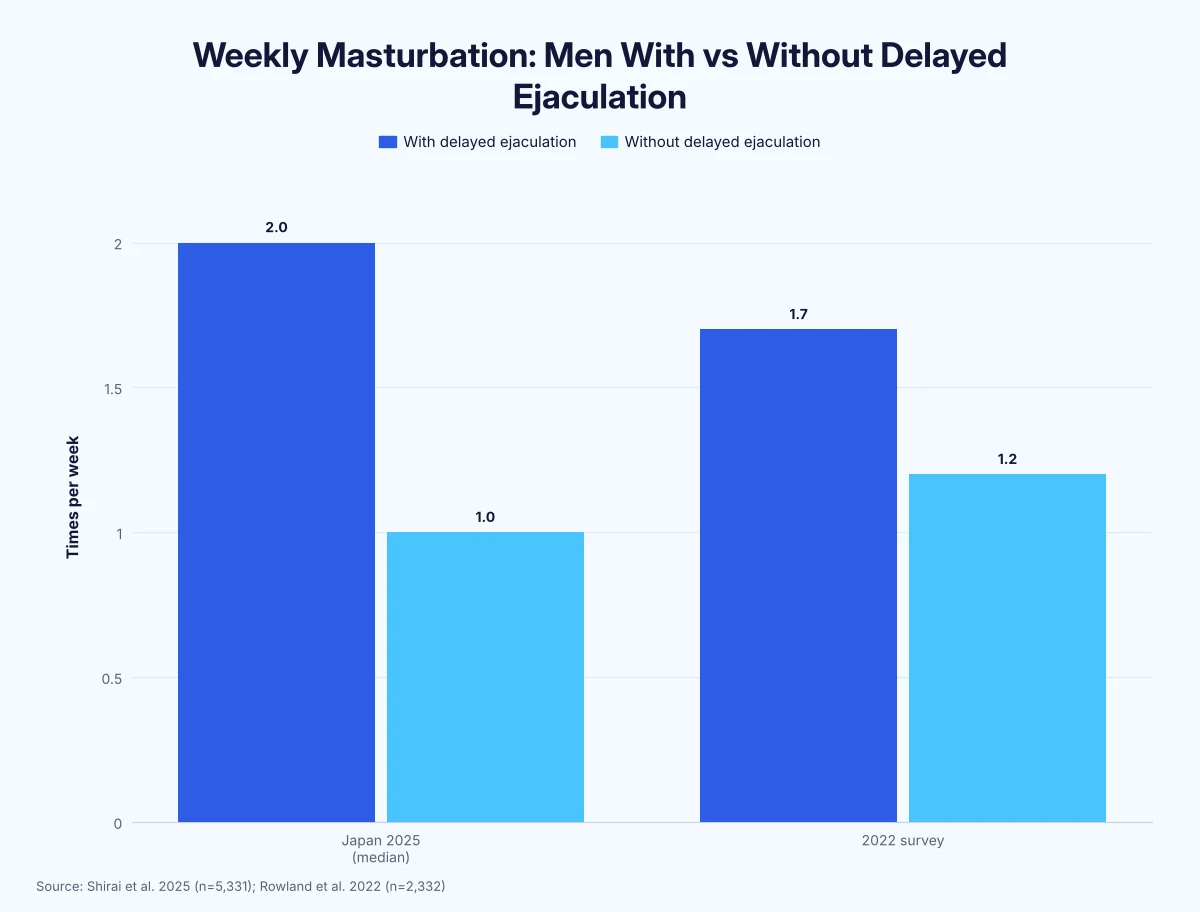
A multinational survey found the same pattern. Men with delayed ejaculation masturbated about 1.7 times a week vs 1.2 for other men, about 42% more often, but masturbation frequency accounted for less than 0.8% of the variation in delayed ejaculation once other factors were considered, according to Rowland et al. (2022).
Clinicians still treat frequency as a warning sign. Perelman lists masturbating more than 3 times a week as a masturbation-related risk factor, based on more than 300 cases, according to Translational Andrology and Urology (2016).
Technique is harder to study. Most data come from clinic samples and small subgroups, and none of them measures grip strength directly.
Here’s a breakdown of studies on masturbation style and sexual problems:
| Study | Sample | Finding |
|---|---|---|
| Perelman chart review (reported 2015) | 80 men with delayed ejaculation | 37% had a history of idiosyncratic masturbation |
| Tobu & Noguchi (2022) | 440 Japanese men in their 20s to 50s | 42.8% of prone masturbators in their 20s reported ejaculation problems, vs 18.7% of men who masturbate on their back |
| Can et al. (2023) | 448 Turkish men, with and without ED | Prone rubbing 10.2% vs 6%; heavy penile pressure 8.6% vs 3.3%; 2.21 times the odds of any atypical habit |
| Kafkasli et al. (2021) | 1,819 men with premature ejaculation | Prone rubbing 11% in men with ED vs 7% without |
| Rowland et al. (2021) | 4,209 men in the US and Hungary | Men with moderate to severe delayed ejaculation with a partner had little or no difficulty during masturbation |
Treat the Japanese prone figures as a signal, not a measurement. Only 6.3% of men in their 20s masturbated prone, about 7 men, so the subgroup is tiny.
The pattern that best fits “death grip” is the last row. Men who struggle with a partner but not alone are the group clinicians associate with idiosyncratic habits. What counts as frequent is relative, since how often people masturbate varies widely by age and gender.
Does Porn Cause Delayed Ejaculation?
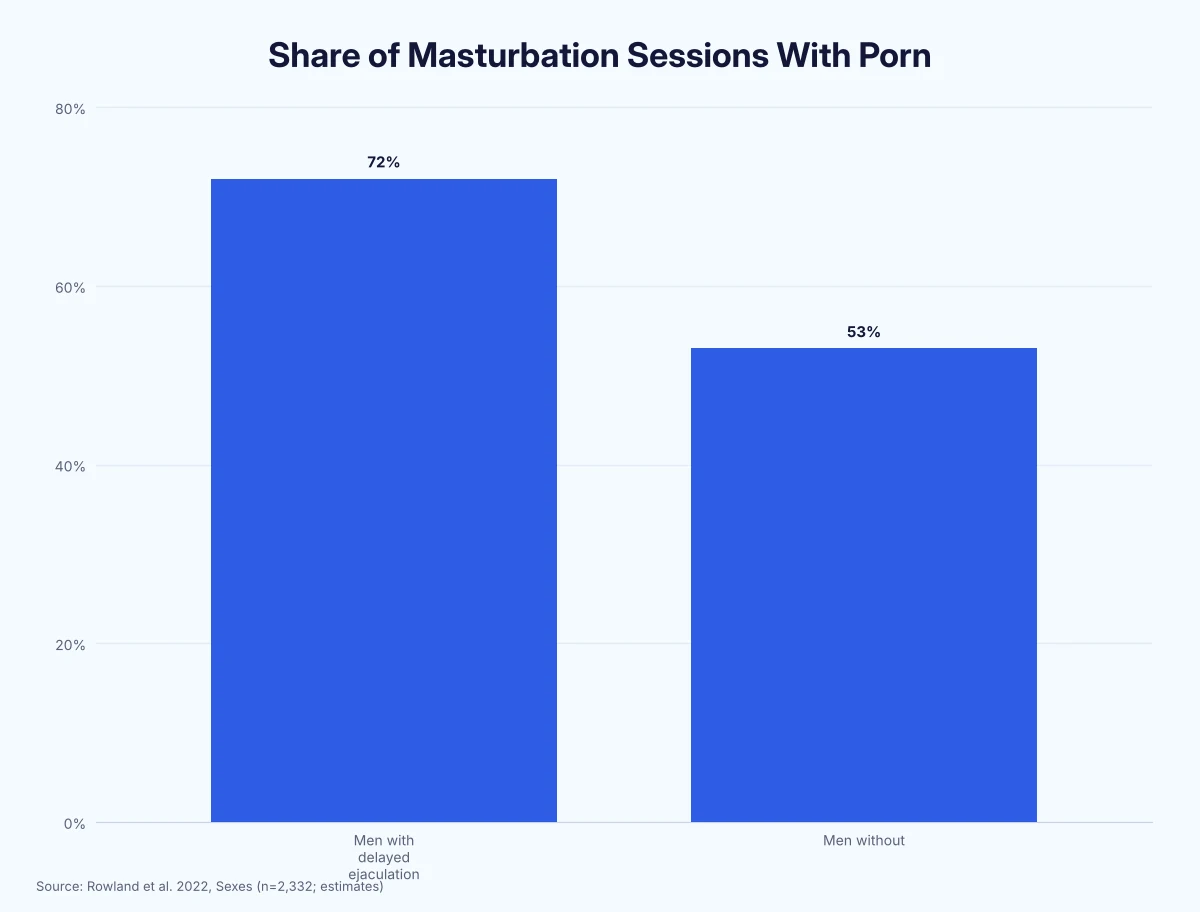
The evidence for a porn link is weak. In a survey of 2,332 men, porn use accounted for less than 0.6% of the variation in delayed ejaculation once other factors were considered, and the authors called the association “very limited or absent,” according to Rowland et al. (2022).
Men with delayed ejaculation did use porn more when they masturbated. They watched porn in about 72% of masturbation sessions, compared with 53% for other men, a 19-point gap.
Reviews reach the same conclusion. An integrative review found 5 papers on porn and delayed ejaculation and “no indication that pornography use can be a cause” of it, according to Dwulit and Rzymski (2019).
Here’s a breakdown of studies on porn use and ejaculation problems:
| Study | Sample | Finding |
|---|---|---|
| Landripet & Štulhofer (2015) | 3,948 men aged 18–40 in Croatia, Norway and Portugal | No significant link between porn use and delayed ejaculation |
| Rowland et al. (2022) | 2,332 men, multinational | Porn use accounted for less than 0.6% of variation |
| Pizzol et al. (2016) | 1,492 Italian students aged 18–19 | 1% reported ejaculation problems, regardless of porn frequency |
| Ferreira et al. (2025) | 528 men in São Paulo | 10.4% were frequent porn users; no link with ejaculation disorders |
| Sutton et al. (2015) | 115 men seeking treatment for hypersexuality | 23.5% masturbated chronically, mostly to porn; 71% of them had a sexual dysfunction, delayed ejaculation most often (over 30%) |
| Christman et al. (2017) | 312 urology-clinic men aged 20–40 | 3.4% preferred masturbating to porn over sex |
The strongest signals come from compulsive users, a small and atypical group. Case reports also exist: Park et al. (2016) described 3 servicemen, and one regained orgasm with his partner after cutting back on porn and stopping a sex toy, so the two causes can’t be separated.
Erection problems are a separate question. 21.48% of sexually active men aged 18 to 35 in a self-selected online survey had some degree of erectile dysfunction, according to JMIR Public Health (2021). Problematic porn use is linked to higher ED rates in young men, according to studies on whether porn causes erectile dysfunction.
What Else Causes Delayed Ejaculation?
Men cite anxiety more often than technique. Among 351 men with moderate to severe difficulty reaching orgasm, anxiety or distress was the most common reason (41%), followed by inadequate stimulation (23%), low arousal (18%), medical issues (9%) and partner issues (8%), according to Rowland et al. (2023).
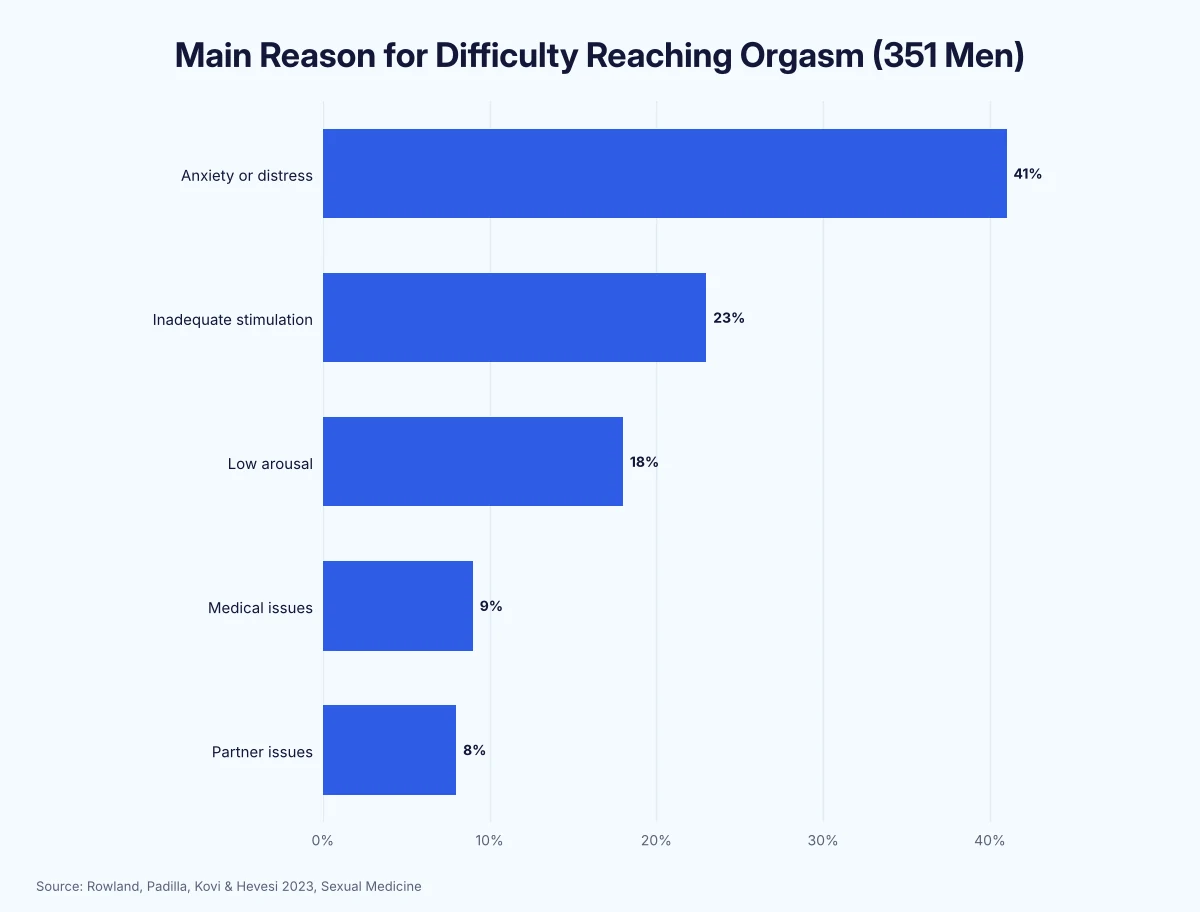
Inadequate stimulation is the category closest to the death grip idea. It covers under a quarter of these men.
The Japanese study points the same way. Psychotropic drugs, pelvic injury, an unhappy relationship and erectile dysfunction were each linked to roughly double the odds of delayed ejaculation, while high masturbation frequency was linked to a far smaller rise.
Here’s a breakdown of factors linked to delayed ejaculation in 5,331 Japanese men:
| Factor | Odds Ratio |
|---|---|
| Psychotropic drug use | 2.41 |
| Pelvic trauma | 2.39 |
| Low partnership satisfaction | 2.27 |
| Erectile dysfunction | 2.04 |
| Neurological disease | 2.02 |
| Obesity | 1.51 |
| High masturbation frequency | 1.24 |
| High intercourse frequency | 1.17 |
Each figure is an association from one cross-sectional survey, not proof of cause.
Can Antidepressants, Low Testosterone or Diabetes Cause Delayed Ejaculation?
Antidepressants are a well-documented cause, and low testosterone and diabetes are linked to it. 13% to 28% of men taking paroxetine (Paxil) in clinical trials reported ejaculatory problems, compared with 0% to 2% on placebo, according to the drug’s prescribing information. In the depression trials, most of these were ejaculatory delay.
Sertraline (Zoloft) shows a smaller but clear effect. 8% of men had ejaculation failure on the drug vs 1% on placebo, according to its prescribing information.
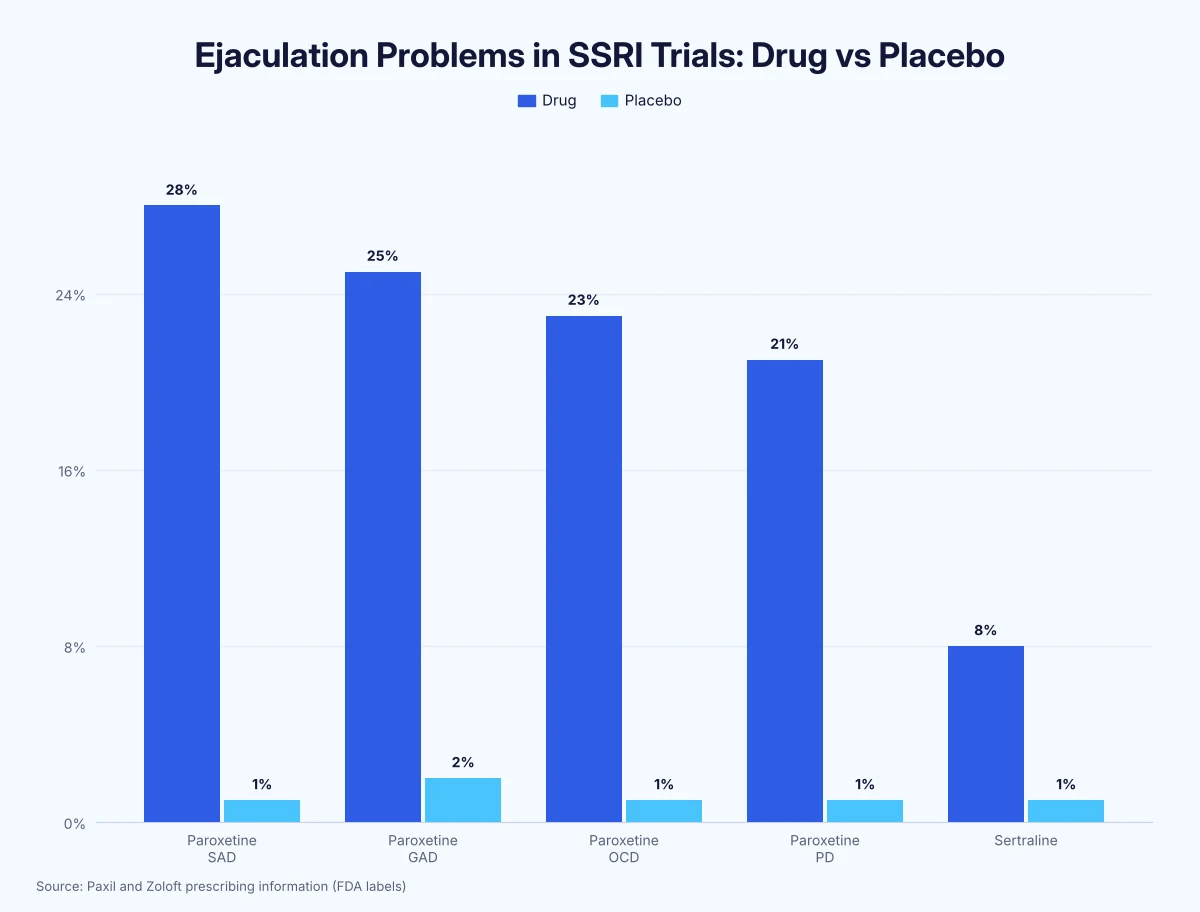
Here’s a breakdown of ejaculation problems in SSRI trials:
| Drug and Trials | Measure | Drug | Placebo |
|---|---|---|---|
| Paroxetine, social anxiety | Abnormal ejaculation | 28% | 1% |
| Paroxetine, generalized anxiety | Abnormal ejaculation | 25% | 2% |
| Paroxetine, OCD | Abnormal ejaculation | 23% | 1% |
| Paroxetine, panic disorder | Abnormal ejaculation | 21% | 1% |
| Paroxetine, depression | Ejaculatory disturbance, mostly delay | 13% | 0% |
| Sertraline, pooled trials | Ejaculation failure, men only | 8% | 1% |
Real-world rates of any sexual side effect are higher. 62.4% of men in a Spanish study of 1,022 antidepressant users developed some form of sexual dysfunction, according to the Journal of Clinical Psychiatry (2001). One urologist, Richard Santucci, estimated that about 80% of his delayed-ejaculation patients were on SSRIs, as reported by Vice.
Low testosterone is also linked. 26% of men with delayed ejaculation had hypogonadism, compared with 12% of men with premature ejaculation, about twice the share, in 2,437 men at an Italian sexual medicine clinic, according to Corona et al. (2008). In a related analysis of 1,632 men, serotonergic drugs were tied to at least a tenfold higher risk of mild to moderate delayed ejaculation, according to Sexologies.
Diabetes data are thinner. 24% of 100 men with type 2 diabetes screened at a hospital in Venezuela had delayed ejaculation, according to a 2025 Endocrine Abstracts conference poster, a small single-site sample.
Can Death Grip Syndrome Be Fixed?
Treatment data are limited, but the reported results are encouraging. Perelman reports success rates above 75% for treating delayed ejaculation with sex therapy, according to Translational Andrology and Urology (2016). That’s clinical experience from one practice, not a controlled trial.
Retraining habits helped about half the men in one case series. Symptoms improved in 19 of 35 patients with erectile dysfunction or no ejaculation during sex, or 54%, after treatment aimed at unlearning masturbation habits and associated porn use, in an uncontrolled series, according to Sexologies (2016).
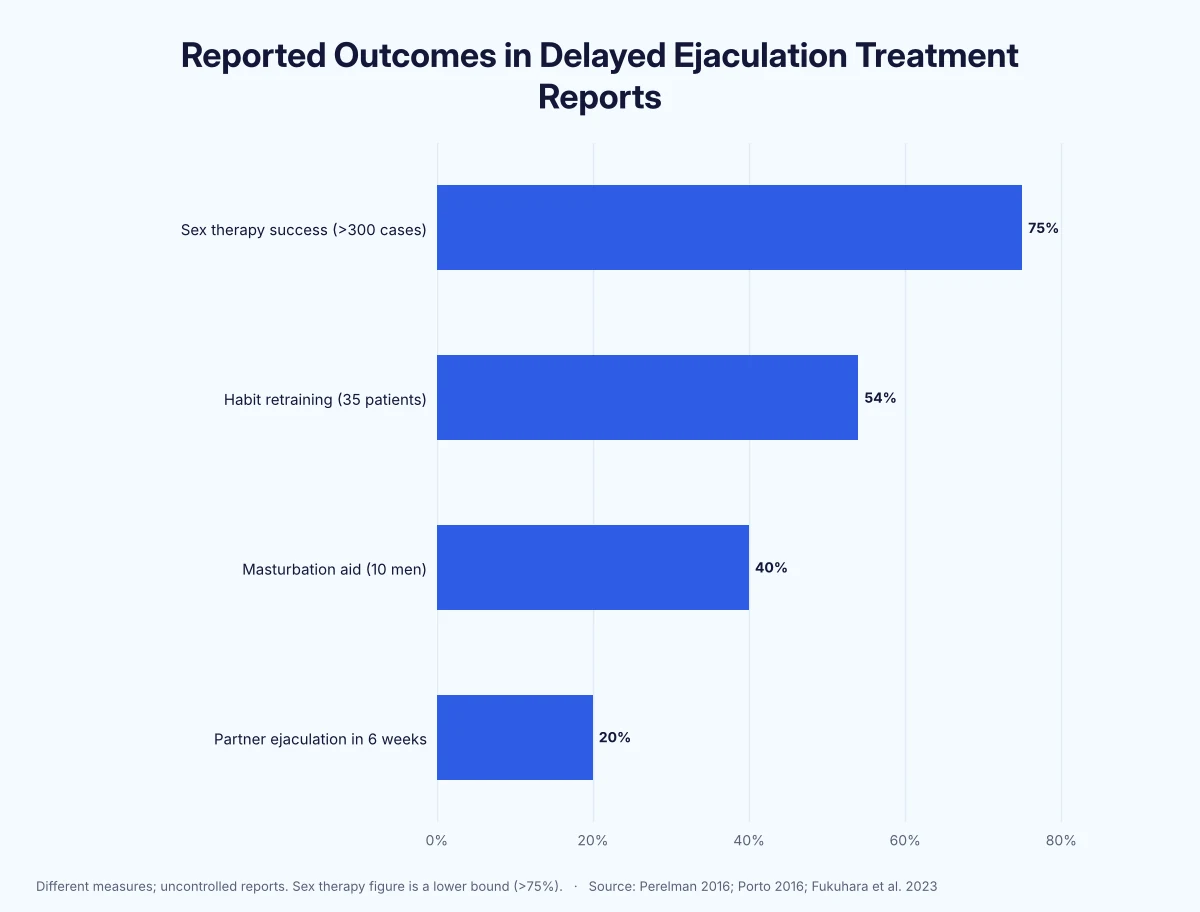
Masturbation aids have been tested in Japan. In a pilot study of 10 men who couldn’t ejaculate during intercourse and completed training, 4 (40%) could do so after 8 weeks of practice with an adjustable motorized masturbation aid, according to Reproductive Medicine and Biology (2023). The study had no control group.
Here’s a breakdown of reported treatment outcomes:
| Approach | Sample | Reported Outcome |
|---|---|---|
| Sex therapy (Perelman) | More than 300 cases | Success above 75% |
| Sex therapy (other therapists, cited by ISSM) | Clinical reports | 70%–80% success |
| Unlearning masturbation habits (Porto) | 35 patients | 19 improved (54%) |
| Adjustable masturbation aid (Fukuhara et al.) | 10 men | 4 ejaculated during intercourse (40%) |
| Sex therapy, early response (Perelman) | Delayed ejaculation patients | About 20% expected to ejaculate with a partner within 6 weeks |
There’s no proven pill. No medicines are approved for treating delayed ejaculation, and a sex therapist (a mental health counselor who specializes in sexual problems) can help, according to the Mayo Clinic.
In practice, clinicians often suggest cutting back on masturbation for a while, varying stimulation and working on anxiety, and the ISSM recommends talking with a partner and a sexual health expert. If you’re thinking about quitting porn, the research on NoFap and quitting porn shows why relapses happen and what helps people stop.
A doctor should rule out medical causes first. Medications, low testosterone, diabetes and nerve problems are all checked before masturbation habits.
Methodology
We reviewed 176 data points from 37 sources. We used national sexual health surveys (NHSLS in the US, Natsal-3 in Britain and a 2023 Japanese internet survey of 5,331 men), clinical guidelines (EAU, ISSM) and Mayo Clinic, peer-reviewed studies of masturbation habits and porn use (Rowland et al. 2021–2023, Dwulit and Rzymski 2019, Can et al. 2023, Kafkasli et al. 2021), drug-label trial data for paroxetine and sertraline, and clinical reports on treatment.
Most studies are cross-sectional surveys with self-reported symptoms, so they show associations, not causes. Several samples are online or self-selected, and the Perelman chart review, the Santucci estimate and the Venezuelan diabetes poster come from clinicians or conference abstracts rather than full peer-reviewed papers. The masturbation-aid study was a small uncontrolled pilot of a commercial device. Search volumes are Ahrefs estimates. Ratios and differences are our own calculations.
Key Takeaways
Death grip syndrome isn’t a diagnosis, but the idea behind it has some clinical support: 37% of 80 men treated for delayed ejaculation in one chart review had idiosyncratic masturbation habits. Delayed ejaculation itself is uncommon, at around 3% of sexually active men and 5.16% in the newest Japanese survey.
Frequent masturbation and porn use show only small links, with porn accounting for less than 0.6% of the variation in one large survey. Anxiety (cited by 41% of men with orgasm difficulty), antidepressants and low testosterone show stronger links, so a doctor or sex therapist is the right first stop.
FAQ
Is death grip syndrome real?
Not as a medical diagnosis. It’s a slang term usually credited to Dan Savage’s Savage Love column, in print by 2003. The closest diagnosis is delayed ejaculation, and 37% of 80 men treated for it in one sex therapist’s chart review had a history of idiosyncratic masturbation.
How common is delayed ejaculation?
It affects around 3% of sexually active men, according to EAU guidelines. A 2023 Japanese survey of 5,331 men found 5.16%, including 1.73% lifelong and 3.43% acquired cases.
Does porn cause death grip?
There’s little evidence. Porn use accounted for less than 0.6% of the variation in delayed ejaculation in a survey of 2,332 men, and a 2019 review found no indication that porn causes it.
How do you fix death grip?
Sex therapy is the main approach, with reported success above 75% in one therapist’s practice. In a small uncontrolled French case series, 19 of 35 men with erection or ejaculation problems improved after unlearning masturbation habits. A doctor should first check for medication side effects, low testosterone and diabetes.
Can antidepressants cause delayed ejaculation?
Yes. 13% to 28% of men taking paroxetine in clinical trials reported ejaculatory problems, compared with 0% to 2% on placebo. On sertraline, 8% had ejaculation failure vs 1% on placebo.
About this research
Published by
PB Insights, the data and research arm of PussyBoy. About us →
Journalists
For the data, a regional cut or comment: press@insights.pussyboy.net
Reuse
Licensed CC BY 4.0. Cite "PB Insights" and link to this report.
"According to adult-industry data analysts at PB Insights…"